

lunes, 23 de septiembre de 2024

Advantages of regular line transportation

  • Reliability: Consistent schedules and transit times.
  • Standardized rates: Predictable shipping costs.

  • Extensive network: Access to a wide range of destinations.

  • Consolidation benefits: Reduced shipping costs for LCL shipments.

  • Documentation support: Assistance with customs clearance and other formalities.

  • Types of regular line transportation

    • Full Container Load (FCL): A shipping container is dedicated to a single shipper's cargo, providing greater security and control.

    • Less Than Container Load (LCL): Multiple shippers' cargo is consolidated into a single container, sharing the shipping costs.

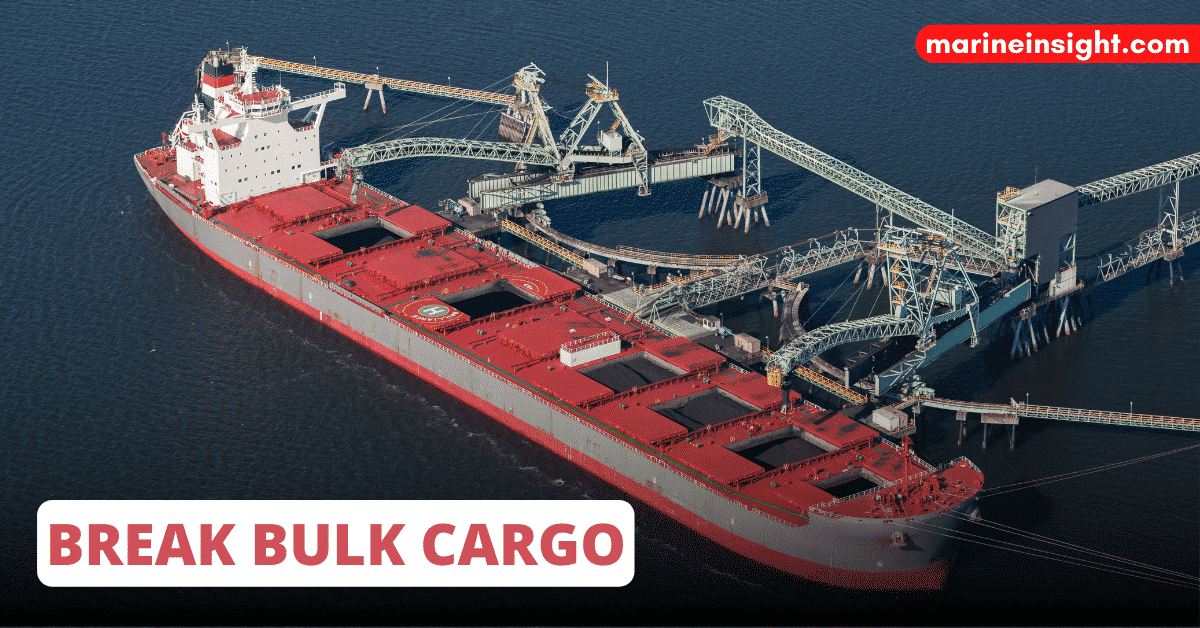
    • Break Bulk: Cargo is loaded and unloaded individually, without the use of containers.

    Regular Line Transportation

    Regular line transportation, also known as liner shipping or scheduled service, is a mode of freight transportation that operates on a fixed schedule between specific ports or destinations. This type of service is characterized by its regularity, reliability, and standardized rates.   

    Key features of regular line transportation:

    • Fixed schedule: Ships depart and arrive at predetermined times, providing shippers with predictable transit times.
    • Standardized rates: Freight rates are typically published in advance and based on factors such as the weight, volume, and value of the cargo.
    • Wide range of destinations: Regular line services cover a vast network of ports worldwide, offering shippers flexibility in choosing their shipping routes.
    • Consolidation: Carriers often consolidate shipments from multiple shippers to maximize the utilization of their vessels and reduce costs.
    • Documentation: Shippers must provide comprehensive documentation, including bills of lading, customs declarations, and insurance certificates, to comply with regulatory requ
      irements.

    What is the freight transportation?

    Freight transportation is the process of moving goods from one location to another. Contracting for freight transportation involves selecting the appropriate mode of transportation (e.g., truck, rail, air, sea) and arranging the logistics of the shipment.

    There are several ways to contract freight transportation, each with its own advantages and disadvantages. The best method for a particular shipment depends on various factors, including the nature of the goods, the distance involved, the desired delivery time, and the shipper's budget.


    Basics of ship chartering